11 November
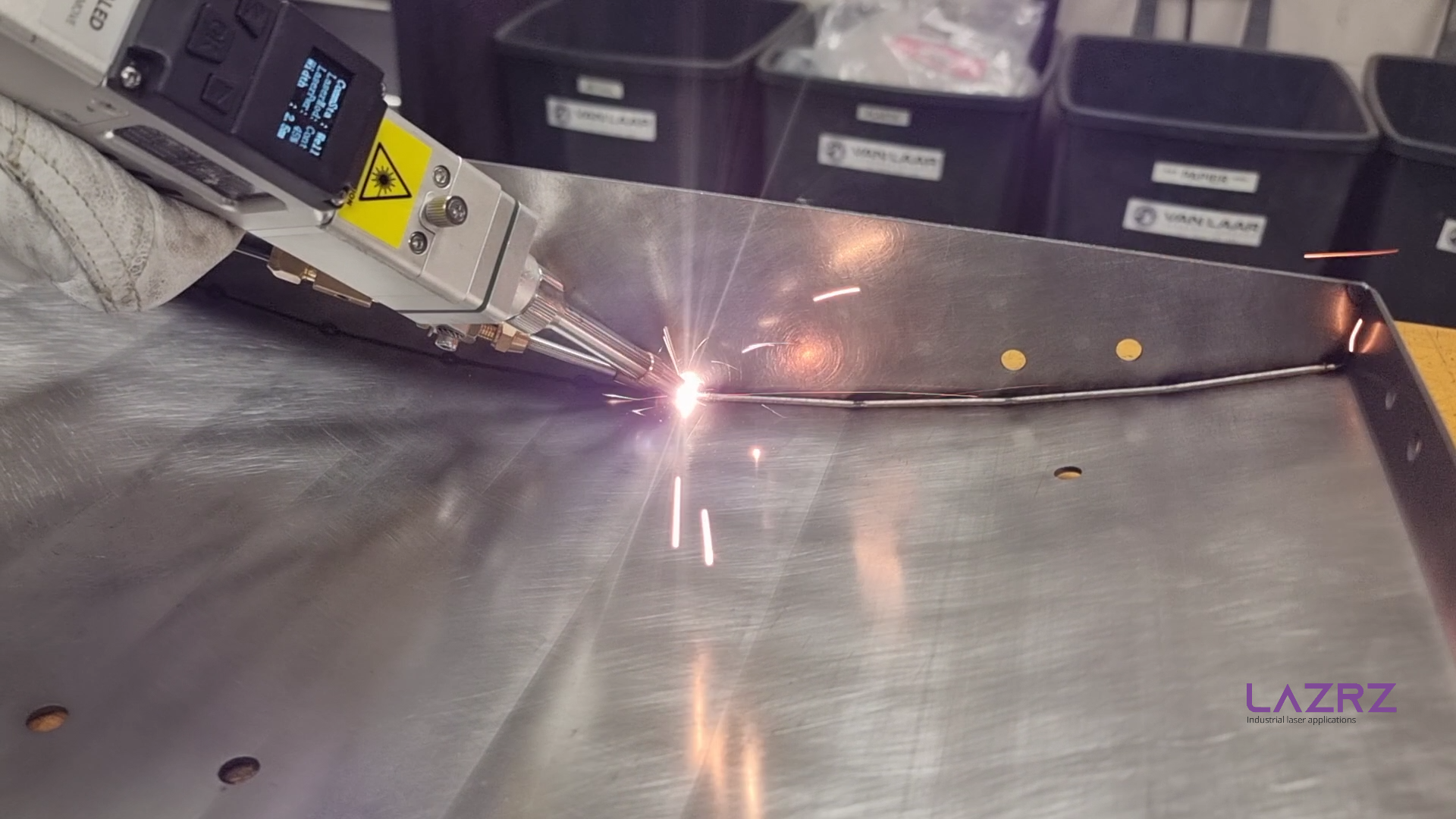
Optimize your laser welding: The impact of choosing the right laser mode
In laser welding, it is important to choose the right laser mode based on the material to be welded.
At the core of laser welding, the laser mode plays a key role, with each mode — continuous, pulsed or modulated — offering its own unique characteristics and benefits that directly influence the quality and effectiveness of welded joints.
Continuous laser welding: deep penetration and strong joints
In continuous laser welding, which is ideal for thick materials that require deep penetration, the constant laser beam continuously generates heat. This sustained heat leads to deeper melting and stronger fusion, resulting in durable and robust welded joints.
Pulsed laser welding: precision, control and flexibility
Pulsed laser welding, in which the laser beam is emitted in short, controllable pulses, offers precision and flexibility. It is ideal for thin materials, as it precisely controls heat input and minimizes distortion. This mode enables complex shapes to be welded with the highest precision — a crucial factor for fine and detailed welding work.
Modulated laser welding: adaptability and flexibility
Modulated laser welding, in which the energy output of the laser beam varies during the welding process, enables welders to achieve specific welding characteristics. These include reducing heat input, precisely controlling weld pool formation and improving weld seam quality. This modulation offers exceptional flexibility and adaptability for various welding challenges.
Choosing the right laser mode: essential for success
Selecting the right laser mode is crucial for achieving optimal results. This requires a thorough analysis of the material to be welded, as well as test welds to determine the most suitable mode. By making this strategic choice, you not only improve the quality of the welded joints but also ensure consistent and reliable results.
Choosing the right laser mode — continuous, pulsed or modulated — is of great importance for the quality and success of every welding project. This choice determines the penetration depth, the precision of the weld positioning and the overall flexibility of the welding process.
Deel dit bericht